Online Course

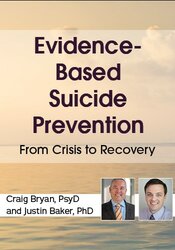
Evidence-Based Suicide Prevention Training: From Crisis to Recovery

€333,99 Standard

Everything You're Getting


  • More than 13 hours of content
  • CE information to come

Meet Your Experts


Craig J. Bryan, PsyD, ABPP

Toggle speaker biography
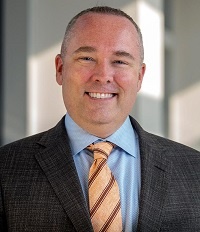
Dr. Craig J. Bryan, PsyD, ABPP, is a board-certified clinical psychologist in cognitive behavioral psychology. He is the Stress, Trauma, and Resilience (STAR) Professor of Psychiatry and Behavioral Health at The Ohio State University Wexner Medical Center and is the division director for recovery and resilience. Dr. Bryan received his PsyD in clinical psychology in 2006 from Baylor University and completed his clinical psychology residency at the Wilford Hall Medical Center, Lackland Air Force Base, TX. Dr. Bryan deployed to Iraq in 2009, where he served as the Director of the Traumatic Brain Injury Clinic at the Air Force Theater Hospital. He separated from active-duty service shortly after his deployment, and started researching PTSD, suicidal behaviors and suicide prevention strategies, and psychological health and resiliency. He has held faculty appointments at the University of Texas Health San Antonio, the University of Utah, and The Ohio State University College of Medicine, and has managed numerous federally funded projects in excess of $30 million focused on testing treatments for reducing suicidal behaviors, developing innovative methods to identify and detect high-risk individuals, and facilitating recovery after trauma. Dr. Bryan has published hundreds of peer-reviewed scientific articles and his research has been funded by a wide range of agencies including the Department of Defense, the National Institutes of Health, the Boeing Company, the Bob Woodruff Foundation, and the Navy SEAL Foundation, and has been featured in media outlets including Scientific American, CNN, Fox News, NPR, USA Today, the LA Times, the New York Times and the Washington Post. Dr. Bryan has published over 250 scientific articles and multiple books including Brief Cognitive Behavioral Therapy for Suicide Prevention and Rethinking Suicide.

Dr. Bryan has served as the lead risk management consultant for the $25 million STRONG STAR Research Consortium and the $45 million Consortium to Alleviate PTSD, which investigates treatments for combat-related PTSD among military personnel. Dr. Bryan has served on the Board of Directors of the American Association for Suicidology, the Scientific Advisory Board for the Navy SEAL Foundation, the Educational Advisory Board of the National Center for PTSD, and as a member of the Department of Defense Suicide Prevention and Response Independent Review Committee (SPRIRC). For his contributions to mental health and suicide prevention, Dr. Bryan has received numerous awards and recognitions including the Arthur W. Melton Award for Early Career Achievement, the Peter J.N. Linnerooth National Service Award, and the Charles S. Gersoni Military Psychology Award from the American Psychological Association, and the Edwin S. Shneidman Award for outstanding contributions to research in suicide from the American Association of Suicidology. He is an internationally recognized expert on suicide prevention, trauma, and resilience.


Speaker Disclosures:
Financial: Dr. Craig Bryan has employment relationships with the University of Vermont and Canandaigua VA Medical Center. He receives royalties as a published author. Dr. Bryan receives contracts from the National Institute of Mental Health and the Department of Defense. He is a consultant/trainer for Federal Bureau of Prisons and a consultant for Strong Star Research Consortium and Substance Abuse and Mental Health Services Administration National Advisory Council. Dr. Bryan receives a speaking honorarium and recording royalties from Psychotherapy Networker and PESI, Inc. He has no relevant financial relationships with ineligible organizations.
Non-financial: Dr. Craig Bryan is a member of the American Association for Suicidology, the American Psychological Association, the Association for Behavioral and Cognitive Therapies, Utah Psychological Association, and the International Association for Suicide Prevention. He is an ad hoc reviewer and editor for several peer review journals, for a complete list contact PESI, Inc.
Justin Baker, PhD, ABPP

Toggle speaker biography

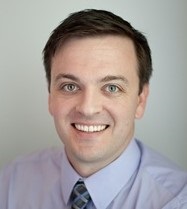
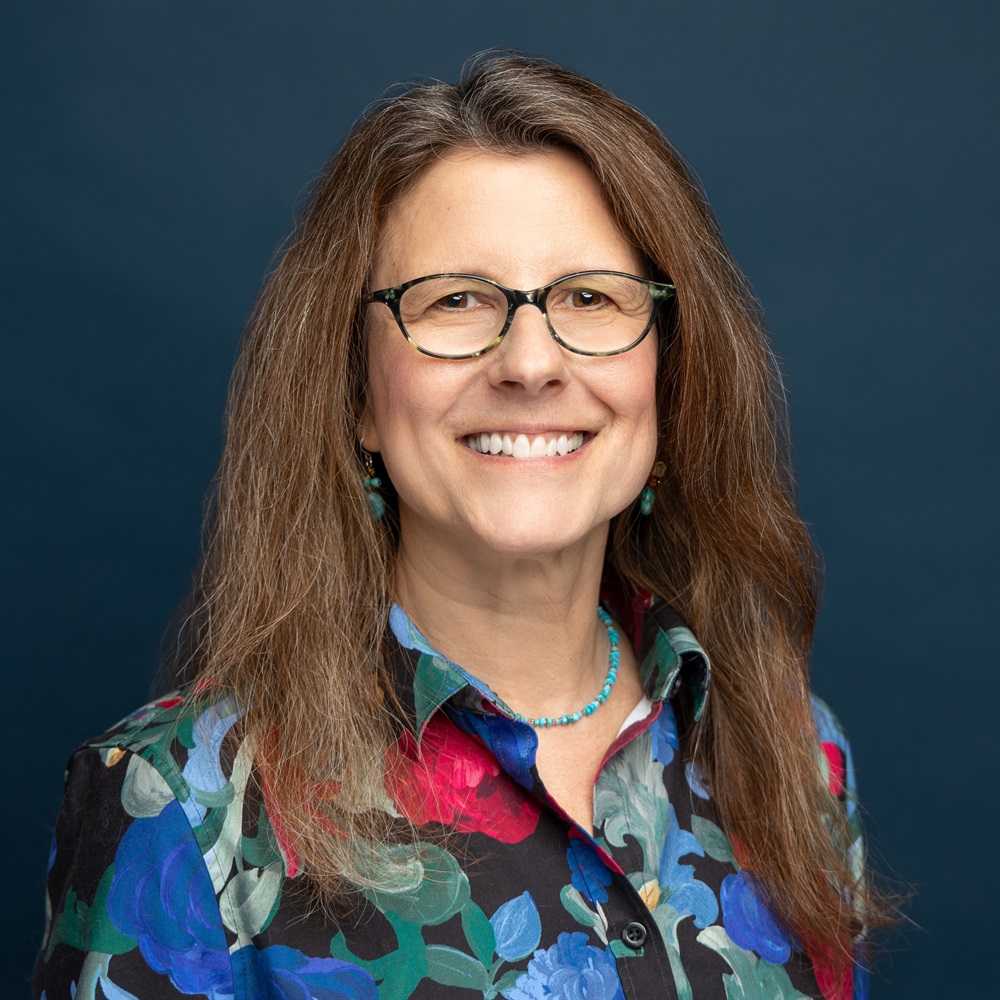
Justin C. Baker, PhD, ABPP, is an assistant professor in the department of psychiatry and behavioral health at The Ohio State University and the clinical director for the Suicide and Trauma Reduction Initiative (STRIVE), a research and clinical treatment program that prioritizes evidence-based treatment for veterans, first responders, and civilians suffering from trauma and/or suicide. He is a board-certified clinical psychologist and military veteran focused on improving interventions for trauma and suicide-related disorders. His work has been funded by the Department of Defense and other private foundations. Dr. Baker is also a national consultant and sought out trainer for suicide-focused treatments. A recent recipient of the Henry A. and Amelia T. Nasrallah Award for Research Excellence in Psychiatry and Behavioral Health, his work has been featured in various media outlets to include CNN, Psychiatric Times, CBS, ABC News, CNN Health, NPR, The American Homefront Project, Yahoo, and US News & World Report.


Speaker Disclosures:
Financial: Justin Baker has employment relationships with the Ohio State Wexner Medical Center STRIVE. He is the Principal Investigator with the Department of Defense, and the co-Investigator for PCORI, the Department of Defense Air Force, and Department of Defense PRMRP. He receives a speaking honorarium and recording royalties from Psychotherapy Networker and PESI, Inc. He has no relevant financial relationships with ineligible organizations.
Non-financial: Justin Baker is a member of American Psychological Association. He is an ad-hoc reviewer for several publications, for a complete list contact PESI, Inc. He serves as a community action board member for PTSD, Suicide Risk, and TBI at the University of Pennsylvania.

Stacey Freedenthal, PhD, LCSW

Toggle speaker biography

Stacey Freedenthal, PhD, LCSW, is an educator, psychotherapist, and writer specializing in helping people who experience suicidal thoughts or behavior. She’s authored two books: Helping the Suicidal Person: Tips and Techniques for Professionals (Routledge; 2018) and Loving Someone with Suicidal Thoughts: What Family, Friends, and Partners Can Say and Do (New Harbinger; 2023). Dr. Freedenthal also created the website Speaking of Suicide, and she has authored or co-authored more than 40 peer-reviewed articles and book chapters about suicidality and related topics.  
 
Dr. Freedenthal is an associate professor at the University of Denver Graduate School of Social Work, and a psychotherapist and consultant in private practice. She started working in suicide prevention in 1995, as a volunteer for a suicide hotline. After earning a master’s degree in social work from the University of Texas, she worked in various psychiatric emergency settings before earning her Ph.D. in social work at Washington University in St. Louis. She has been on the DU faculty since 2005, where she teaches classes on suicide assessment and interventions, clinical social work practice, and social justice challenges in mental health practice. 
 

Speaker Disclosures:
Financial: Dr. Stacey Freedenthal is a psychotherapist and consultant in private practice and has an employment relationship with the University of Denver. She has a family member with an employment relationship with LivingWorks. She receives royalties as a published author. Dr. Freedenthal receives a speaking honorarium and recording royalties from Psychotherapy Networker and PESI, Inc. She has no relevant financial relationships with ineligible organizations.
Non-financial: Dr. Stacey Freedenthal is a member of the International Association of Suicide Prevention, the National Association of Social Workers, and the American Association of Suicidology. She uses CBT, CAMS, ACT, and other evidence-based suicide prevention strategies in her presentation.

Victor Armstrong, MSW, BS

Toggle speaker biography

Victor Armstrong joined North Carolina DHHS as Director of the NC Division of Mental Health, and Developmental Disabilities, Substance Abuse Services in March of 2020, with responsibility and oversight of the public community-based mental health, intellectual and other developmental disabilities, substance use, and traumatic brain injury system in North Carolina. Prior to accepting this role, Victor spent six years as Vice President of Behavioral Health with Atrium Health. Based in Charlotte, NC, Victor had responsibility for operations of Atrium's largest behavioral health hospital, Behavioral Health Charlotte (BHC). The BHC campus contains the southeast’s only psychiatric emergency department, staffed 24/7 with board-certified psychiatrists, as well as 66 inpatient beds, and 10 outpatient programs. Victor has over 30 years of experience in human services, primarily dedicated to building and strengthening community resources to serve individuals living with mental illness.

Victor currently serves on the board of directors for American Association of Suicidology (AAS), the American Foundation for Suicide Prevention (AFSP) of NC, and United Suicide Survivors International. He is also former board chair of NAMI NC, and member of National Association of Social Workers (NASW). Victor is a former member of the board of directors of National Council for Behavioral Health, i2i Center for Integrative Health, and RI International.

Victor's awards and recognitions include Mental Health America's 2021 H. Keith Brunnemer, Jr. Award for "Outstanding Mental Health Leadership", 2019 Black Mental Health Symposium - Mental Health Advocate of the Year, 2019 Atrium Health Excellence in Diversity & Inclusion Award, 2018 Distinguished Alumni Award from East Carolina University School of Social Work, Pride Magazine 2018 "Best of the Best", and i2i Center for Integrative Health 2018 Innovation Award for "Whole Person Care", 2012 National Alliance on Mental Illness (NAMI) NC, Mental Health Professional of the Year.

Victor graduated, Magna Cum Laude, from North Carolina Central University with a bachelor's degree in Business Management and received a Master of Social Work (MSW) from East Carolina University. He is the husband of Dr. Charletta Armstrong and the father of 3 sons, Carter, Alonzo, and Victor Jr.


Speaker Disclosures:
Financial: Victor Armstrong is the director of the North Carolina Division of Mental Health, Developmental Disabilities, Substance Abuse Services (DMHDDAS). He receives a speaking honorarium from PESI, Inc. He has no relevant financial relationships with ineligible organizations.
Non-financial: Victor Armstrong is a member of the American Association of Suicidology; and the National Association of Social Workers.  


Frank Anderson, MD

Toggle speaker biography

Frank Anderson, MD, completed his residency and was a clinical instructor in psychiatry at Harvard Medical School. He is both a psychiatrist and psychotherapist. He specializes in the treatment of trauma and dissociation and is passionate about teaching brain-based psychotherapy and integrating current neuroscience knowledge with the IFS model of therapy.

Dr. Anderson has lectured extensively on the Neurobiology of PTSD and Dissociation and wrote the chapter “Who’s Taking What” Connecting Neuroscience, Psychopharmacology and Internal Family Systems for Trauma in Internal Family Systems Therapy – New Dimensions. He co-authored a chapter on What IFS Brings to Trauma Treatment in Innovations and Elaborations in Internal Family Systems Therapy, and recently co-authored Internal Family Systems Skills Training Manual.

His most recent book, entitled Transcending Trauma: Healing Complex PTSD with Internal Family Systems was released on May 19, 2021.

His memoir, To Be Loved, was released on May 7, 2024.


Speaker Disclosures:
Financial: Dr. Frank Anderson maintains a private practice, is the co-founder of the Trauma Institute, and is the co-founding producer of Trauma Informed Media. He receives royalties as a published author. He receives a speaking honorarium, recording, and book royalties from PESI, Inc. He has no relevant financial relationships with ineligible organizations.
Non-financial: Dr. Frank Anderson is a member of the New England Society Studying Trauma and Dissociation and the International Society for the Study of Trauma and Dissociation.

Thomas Joiner, PhD

Toggle speaker biography

Thomas Joiner went to college at Princeton and received his Ph.D. in Clinical Psychology from the University of Texas at Austin. He is The Robert O. Lawton Distinguished Professor in the Department of Psychology at Florida State University (FSU). Dr Joiner's work is on the psychology, neurobiology, and treatment of suicidal behavior and related conditions. Author of over 750 peer-reviewed publications, Dr. Joiner is the Editor-in-Chief of the journal Suicide & Life-Threatening Behavior. Dr. Joiner has authored or edited over 18 books, including Why People Die by Suicide, Myths About Suicide, and Mindlessness: The Corruption of Mindfulness in a Culture of Narcissism. In connection with his publications, Dr. Joiner has made numerous media appearances, including the Dr. Phil show twice. Dr. Joiner has also been the recipient of many awards, recently, the 2020 James McKeen Cattell Award for lifetime contributions to the area of applied psychological research. Dr. Joiner is also a consultant to NASA's Human Research Program and the Director of a Military Suicide Research Consortium. He runs a part-time clinical and consulting practice specializing in, among other topics, suicidal behavior, including legal consultation on suits involving death by suicide.


Speaker Disclosures:
Financial: Dr. Thomas Joiner has an employment relationship with Florida State University and serves as editor in chief for Suicide & Life-Threatening Behavior and Journal of Social & Clinical Psychology. He receives royalties as a published author. Dr. Joiner receives a speaking honorarium from PESI, Inc. He has no relevant financial relationships with ineligible organizations.
Non-financial: Dr. Thomas Joiner is a member of the Society for Research in Psychopathology, the International Society for Research in Child and Adolescent Psychopathology, the Society for the Science of Clinical Psychology, the Association for Behavioral and Cognitive Therapies. He serves on several editorial boards, please contact PESI, Inc for a complete list.

100% Satisfaction Guarantee

Register for this intensive training course without risk. If you're not completely satisfied, contact us. We’re that confident you'll find this learning experience to be all that's promised and more than you expected.

PESI App


Access CE trainings on your phone or tablet through our free mobile app. Choose video or audio-only versions of online courses from the world's best instructors, and complete your CE requirements anywhere, anytime, at your own pace.


Media Type:
Online Course
Language:
Presented in EN, subtitles in EN, ES, DE, IT, and FR, handouts in EN, ES, DE, IT, and FR
Language:
Available in EN, ES, DE, IT, and FR
Product Code:
NRS001738
Duration:
13 hours, 39 minutes
Copyright:
Apr 25, 2023

European Accessibility Act (EAA) Needs


We are committed to ensuring our website is accessible to all users. If you experience any difficulty accessing our content or require specific accommodations, please contact us.

Some text some message..
Back to Top