Enroll in an online course today for flexible, self-paced learning—no fixed schedule required.
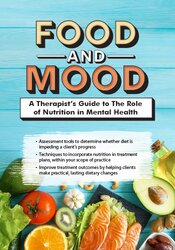
Food and Mood: A Therapist’s Guide to The Role of Nutrition in Mental Health
Diet is an often-ignored aspect of the prevention of poor mental health and the promotion of good emotional health. The causes of behavioral health problems are complex, and nutrition is a valuable yet often missing piece of the puzzle to help clients improve their emotional state.
Imagine if you could feel more confident talking with clients about nutrition from a therapist’s point of view, and do so while adhering to our ethical code.
Kathleen Zamperini, LPC, CIMHP, brings a unique perspective as a licensed professional counselor with a degree in nutrition and certification with the Mental Health Integrative Medical Institute. She uses the language of a therapist to explain key concepts of integrating a cognitive behavioral approach with nutritional strategies to improve treatment outcomes.
Discover the clinical applications to transform the way your clients view food and revolutionize your clinical toolbox to ethically educate clients about nutrition and how they can make lasting changes.

Here's What You'll Learn
- Assess nutritional factors contributing to mental health conditions
- 5 substances that affect mood
- 7 practical interventions to improve mood
- Research on nutrition’s impact on mental health
- Case study – 24-year-old female – depression and anxiety
- B Vitamins for emotional health
- Benefits of magnesium and common symptoms of magnesium deficiency
- Antioxidants for emotional support
- Recommendations within your scope of practice
- Nutrients
- Symptoms of deficiency
- Best food sources
- The truth about sugar, stimulants, and processed food
- History of processed food and what’s gone wrong
- Link between sugar and depression
- The S.A.D. diet and diseases of affluence
- Case study: the wife who loved coffee
- Emotions and biochemical activity within the brain
- Mediterranean food pyramid
- Inflammation and mood disorders
- Omega 3 fatty acids and good fat
- Key nutrients to transform emotional health
- Lack of essential fats and vitamins
- Blood sugar imbalances associated with excessive sugar and stimulant intake
- Neurotransmitters and their effects when they are lacking in our system
- Tune up your brain and neurotransmitters
- The role of epigenetics
- Are diseases of the brain preventable?
- CBT techniques to help clients change their thoughts and behavior toward food and eating
- Clinical benefits of deep breathing
- Incorporate wellness activities into treatment plans
- Understand gut microbiome and dysbiosis from a therapist’s perspective
- Learn how proper digestion supports optimum mental health
- The relationship between digestion and stress
- Steps for proper digestion
- Education and awareness for clients – the basic food assessment you can use
- Practical strategies to help clients eat healthy on a budget
- How to apply techniques ethically and responsibly
- When to refer to a medical practitioner
- The risks and limitations of research studies
- Resources for clients
Everything You're Getting
- More than 5 hours of video content
- CE information to come
- Handouts and resources
Meet Your Experts
100% Satisfaction Guarantee
Register for this intensive training course without risk. If you're not completely satisfied, contact us. We’re that confident you'll find this learning experience to be all that's promised and more than you expected.
PESI App
Access CE trainings on your phone or tablet through our free mobile app. Choose video or audio-only versions of online courses from the world's best instructors, and complete your CE requirements anywhere, anytime, at your own pace.
Access for Self-Study (Non-Interactive)
Access never expires for this product.
For a more detailed outline that includes times or durations of time, if needed, please contact cepesi@pesi.com.
- Media Type:
- Digital Seminar
- Language:
- Presented in EN, subtitles in EN, ES, DE, IT, and FR, handouts in EN, ES, DE, IT, and FR
- Language:
- Presented in EN, subtitles in EN, ES, DE, IT, and FR
- Product Code:
- POS055840
- Duration:
- 5 hours, 53 minutes
- Copyright:
- Mar 19, 2024
Available Credits:
Other / No Jurisdiction
Self-Study Credit
This self-study program consists of 6.0 clock hours of continuing education instruction. Credit requirements and approvals vary by country and local regulatory bodies. Please save the course outline, the certificate of completion you receive from the activity and contact your local regulatory organization to determine specific eligibility and requirements.
- Integrate psychoeducation regarding daily food choices with cognitive therapy.
- Assess the impact of diet on treatment progress.
- Incorporate diet changes into treatment plans for specific disorders.
- Analyze the impact of sugar on depression.
- Utilize CBT techniques to help clients improve their mood, sleep habits, and self-care.
- Assess when a referral to a medical practitioner may be indicated.
- Assess nutritional factors contributing to mental health conditions
- 5 substances that affect mood
- 7 practical interventions to improve mood
- Research on nutrition’s impact on mental health
- Case study – 24-year-old female – depression and anxiety
- B Vitamins for emotional health
- Benefits of magnesium and common symptoms of magnesium deficiency
- Antioxidants for emotional support
- Recommendations within your scope of practice
- Nutrients
- Symptoms of deficiency
- Best food sources
- The truth about sugar, stimulants, and processed food
- History of processed food and what’s gone wrong
- Link between sugar and depression
- The S.A.D. diet and diseases of affluence
- Case study: the wife who loved coffee
- Emotions and biochemical activity within the brain
- Mediterranean food pyramid
- Inflammation and mood disorders
- Omega 3 fatty acids and good fat
- Key nutrients to transform emotional health
- Lack of essential fats and vitamins
- Blood sugar imbalances associated with excessive sugar and stimulant intake
- Neurotransmitters and their effects when they are lacking in our system
- Tune up your brain and neurotransmitters
- The role of epigenetics
- Are diseases of the brain preventable?
- CBT techniques to help clients change their thoughts and behavior toward food and eating
- Clinical benefits of deep breathing
- Incorporate wellness activities into treatment plans
- Understand gut microbiome and dysbiosis from a therapist’s perspective
- Learn how proper digestion supports optimum mental health
- The relationship between digestion and stress
- Steps for proper digestion
- Education and awareness for clients – the basic food assessment you can use
- Practical strategies to help clients eat healthy on a budget
- How to apply techniques ethically and responsibly
- When to refer to a medical practitioner
- The risks and limitations of research studies
- Resources for clients
- Counselors
- Psychologists
- Social Workers
- Art Therapists
- Marriage and Family Therapists
- Addictions Counselors
- Physicians
- Clinical Nurse Specialists
- Nurses
- Dieticians
- Occupational Therapists
European Accessibility Act (EAA) Needs
We are committed to ensuring our website is accessible to all users. If you experience any difficulty accessing our content or require specific accommodations, please contact us.