
Digital Seminar

Intensive Course: Clinical Supervision

Providing Effective Supervision, Navigating Ethical Issues and Managing Risk

€511,99 Standard

This two-day course was developed for experienced, post-graduate, licensed clinicians who are interested in or have been providing clinical supervision. It is an intermediate-level course designed to introduce practitioners to best practices for providing clinical supervision. The presentation reviews models of clinical supervision and discusses the advantages and disadvantages of each model, details building blocks for the provision of competent supervision, discusses individual versus group supervision, suggests various observation models to enhance feedback, and demonstrates constructive feedback strategies.

As supervision is often a multicultural experience, potential supervisors are taught to identify personal values, biases, and expectations and utilize skills, techniques, and strategies for supervising diverse populations. Every discipline recognizes the importance of clinical supervision in training new practitioners and has established specific guidelines related to supervision. This course reviews the major ethical issues involved in supervision, discusses key legal issues associated with supervision, and provides specific risk management strategies to address these ethical and legal issues

This experiential, in-depth seminar details the supervisory process, answers your questions about ethical issues, risk, and liability, and prepares you to deliver competent clinical supervision.

Here's What You'll Learn


Getting Started: How to Optimize the Initial Supervision Sessions
  • Establish roles and responsibilities
  • How to write a comprehensive Informed Consent Agreement and Supervisory Contract
  • Setting clear expectations for supervision
  • Documentation: If it’s not in writing, it didn’t happen
  • Types of supervision: Individual, group, team, peer, case consultation
  • Practice Exercise: Writing a Supervisory contract for Ned Newbie
The Supervisory Alliance: Building a Foundation for Everyone’s Success
  • 10 myths about clinical supervision
  • Supervision versus consultation
  • Must-have knowledge, skills and attitude of the competent supervisor
  • 10 factors contributing to the “best” and “worst” supervisors
  • The Supervisee’s Bill of Rights
  • The Building Blocks of Effective Supervision:
    • Competency
    • Diversity
    • Supervisee relationship
    • Professionalism
    • Assessment/evaluation/feedback
  • Practice Exercise: Competency-Based Supervisor Self-Assessment
Models of Clinical Supervision: Find the Right Fit for You and Your Setting
  • Administrative versus clinical supervision
  • Models of supervision:
    • The “No-Model” model
    • Apprentice-master
    • Expert
    • One-size-fits all
    • Psychotherapy-based
    • Parallel process
    • Interactional
    • Relationship
    • Developmental
    • Holistic
The Evaluation Process: The Key to Effective Supervision
  • Legal and ethical implications
  • Formats, methods, and techniques
  • Formative evaluation versus summative evaluation
  • 6 steps for handling a negative evaluation
Give Effective Feedback: Having Hard Conversations
  • Six guiding principles for giving feedback
  • How to structure constructive feedback
  • Improve your constructive feedback skills
  • ”Unhelpful” constructive feedback
  • Practice Exercise: Role Play – The Supervisor From Hell Provides Feedback To The Problematic Supervisee
  • Practice Exercise: Role Play – The Constructive and Effective Supervisor Meets the Open Supervisee with an Issue
When Problems Arise: Resolve Supervisor/Supervisee Tensions
  • The 8000 pound elephant in the room
  • 20 practical prevention strategies to avoid problems
  • Common problems in supervision
  • How to assess for supervisee limitations and impairment
  • Strategies for dealing with an impaired supervisee
  • Impairment and gatekeeping
  • How to write a Professional Development Plan
  • Practice Exercise: Writing a Performance Improvement Plan for Peter Problematica
Cultural Competence: Proactive Treatment of Cultural Differences
  • When the supervisor-supervisee dyad is impacted
  • Methods for introducing the topic of multicultural differences
  • A continuum of cultural competence
  • Cultural humility
Ethical and Legal Issues in Supervision: Protect Yourself, Your License, Your Agency and Your Client
  • Legal primer for mental health practitioners
  • Standard of Care for supervision
  • Supervisory negligence/malpractice
  • Who’s responsible? Direct and vicarious liability
  • Ten activities required for ethical supervision
  • Core ethical principles
  • Supervisory ethical violations
  • Major ethical issues related to supervision
    • Competence
    • Due process
    • Informed consent
    • Confidentiality
    • Multiple/dual relationships
    • And more!
  • Boundary crossings versus boundary violations
  • Sexual misconduct
  • Social boundaries: Factors to consider
  • Limitations of the research and potential risks

Everything You're Getting


  • More than 12 hours of video content
  • CE information to come
  • Handouts and resources

Meet Your Experts


George Haarman, PsyD, LMFT

Toggle speaker biography
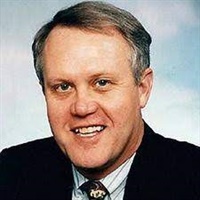
GEORGE B. HAARMAN, PSY.D., LMFT, is a Licensed Clinical Psychologist and a Licensed Marriage and Family Therapist with more than 40 years of experience. A member of the American Psychological Association and Kentucky Psychological Association, Dr. Haarman is currently in private practice in Louisville, Kentucky, and serves as a consultant to several school systems and non-profit agencies regarding assessment. For 24 years, Dr. Haarman worked in the Department of Human Services in Louisville, serving in a variety of clinical capacities, and as the Deputy Director for the last 12 years of his tenure. His prior experience with DHS included working with youth detention centers, juvenile group homes, child protective services, and juvenile probation. Dr. Haarman received his doctorate in clinical psychology from Spalding University and has been an instructor at Jefferson Community College, Bellarmine University, and Spalding University. As a result of his years of experience in mental health, he has presented seminars regionally and nationally on psychopathology, depression, and emotional disorders in children and adolescents. He is also the author of School Refusal: Children Who Can’t or Won’t Go to School, Clinical Supervision: Legal, Ethical, and Risk Management Issues, and Mastering the DSM-5.


Speaker Disclosures:
Financial: Dr. George Haarman maintains a private practice and is an adjunct professor Spalding University, Jefferson Community College, and Bellarmine University. He receives a speaking honorarium and recording royalties from PESI, Inc. He has no relevant financial relationships with ineligible organizations.
Non-financial: Dr. George Haarman is a member of the American Psychological Association and the Kentucky Psychological Association.

100% Satisfaction Guarantee

Register for this intensive training course without risk. If you're not completely satisfied, contact us. We’re that confident you'll find this learning experience to be all that's promised and more than you expected.

PESI App


Access CE trainings on your phone or tablet through our free mobile app. Choose video or audio-only versions of online courses from the world's best instructors, and complete your CE requirements anywhere, anytime, at your own pace.


Access for Self-Study (Non-Interactive)

Access never expires for this product.

For a more detailed outline that includes times or durations of time, if needed, please contact cepesi@pesi.com. 


Media Type:
Digital Seminar
Language:
Presented in EN, subtitles in EN, ES, DE, FR, and IT, handouts in EN, ES, DE, FR, and IT
Language:
Presented in EN, subtitles in EN, ES, DE, FR, and IT
Product Code:
POS054425
Duration:
12 hours, 45 minutes
Copyright:
Dec 14, 2025

European Accessibility Act (EAA) Needs


We are committed to ensuring our website is accessible to all users. If you experience any difficulty accessing our content or require specific accommodations, please contact us.

Some text some message..
Back to Top