


Mindfulness-Based Interventions for Use in the Treatment of Autism Spectrum Disorder
- Speaker:
- Merriam Sarcia Saunders, LMFT, ADHD-CCSP
- Duration:
- 1 Hour 51 Minutes
- Language:
- Presented in EN, subtitles in EN, ES, DE, IT, and FR, handouts in EN, ES, DE, IT, and FR
- Copyright:
-
13 Feb, 2023
- Product Code:
- POS059288
- Media Type:
- Digital Seminar

Description
Over the years, worldwide awareness and understanding of autism spectrum disorder has grown to the point where children are more likely to be identified and diagnosed at a much earlier age. What this means, additionally, is that an increasing number of adults are also being identified for the very first time in their lives.
As a spectrum diagnosis, the symptoms and presentation of autism can fly easily under the radar and you may find yourself with autistic clients just forming their initial understanding. With close to 50% of autistic individuals reporting co-occurring anxiety disorders, clients have likely struggled with self-esteem & belonging, rigid thinking and confusion about social interactions. Mindfulness exercises have been shown to help autistic clients reduce anxiety, increase social/emotional reciprocity, reduce rumination and increase emotional regulation.
This course will provide an in-depth look at social and emotional impacts for adults living with level one ASD and how mindfulness interventions can provide a useful shift. Specific mindfulness exercises will be provided for use in your clinical practice.
Credit
Speaker
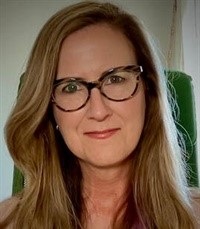
Merriam Sarcia Saunders, LMFT, ADHD-CCSP Related seminars and products
Merriam Sarcia Saunders, LMFT, ADHD-CCSP, is a licensed marriage and family therapist and Certified Clinical Services Provider with deep clinical experience supporting people with ADHD and neurodivergence across the lifespan. She brings over 15 years of practice in private, school, and community settings, with specialized expertise in ADHD, autism, and ADHD coaching.
Merriam is widely recognized for her work translating complex ADHD research into practical, compassionate strategies. She is the author of ADHD-focused children’s books such as My Whirling, Twirling Motor and My Wandering, Dreaming Mind, as well as adult non-fiction including Divorce and the ADHD, Autistic, Anxious Child and Mindfulness Meditation for ADHD, which reflects her commitment to strength-based, mindful approaches for neurodivergent brains.
In addition to her books, Merriam co-founded A Novel Mind, a widely used database and resource hub for neurodiversity-affirming literature, and serves as an adjunct professor of psychology, bringing evidence-informed practice into both clinical and educational spaces.
Known for blending mindfulness, behaviorally grounded support, and real-world insight, she teaches clinicians how to help clients and families build self-regulation, resilience, and effective routines that honor the unique strengths and challenges of ADHD.
Speaker Disclosures:
Financial: Merriam Saunders maintains a private practice and has employment relationships with Superior Court of California, Dominican University, Marin County Office of Education, Centene Corporation MHN/Healthnet, and the Ansel Adams Trust. She receives royalties as a published author. Merriam Saunders receives a speaking honorarium and recording royalties from PESI, Inc. She has no relevant financial relationships with ineligible organizations.
Non-financial: Merriam Saunders has no relevant non-financial relationships.
Additional Info
Program Information
Access for Self-Study (Non-Interactive)Access never expires for this product.
For a more detailed outline that includes times or durations of time, if needed, please contact cepesi@pesi.com.
Objectives
- Differentiate between Autism and other disorders.
- List the common misconceptions regarding ASD.
- Describe why and how mindfulness can benefit those with ASD.
- Demonstrate knowledge of the various evidence and mindfulness-based treatments for ASD.
- Employ numerous mindfulness exercises and interventions targeting social/emotional reciprocal deficits and restrictive and repetitive behavioral impacts of ASD in clients.
Outline
The Mindful Clinician
- Understanding symptoms of ASD
- The Importance of Language: Neurodiversity Paradigm v. Deficit Model
- How is ASD diagnosed?
Differentiate Fact from Fiction
- Common myths about ASD (“low functioning”, person-first language, Rainman, Aspergers)
- Presentation in men vs. women
- Assessing for co-occurring disorders
Understand the Impact of ASD on Children, Adults and Parents
- Are you treating ASD or its emotional impact?
- “Masking” & its emotional toll
The Mindful Treatment of ASD
- Applied Behavioral Analysis & its controversy
- Social Skills Groups
- Efficacy of alternative approaches
Mindfulness Psychoeducation for ASD
- Why mindfulness for ASD?
- Differentiating between mindfulness and meditation
Mindfulness-based Tools for the Clinician
Exercises to:
- Increase social reciprocity
- Calm the mind, body and emotions
- Increase flexible thinking
- Manage stimming & other repetitive behaviors
- Increase self-compassion
- Reduce ASD-related social anxiety
- Increase emotional regulation ability
Target Audience
- Licensed Clinical/Mental Health Counselors
- Marriage & Family Therapists
- Psychologists
- Addiction Professionals
- Social Workers
Reviews
Satisfaction Guarantee
Your satisfaction is our goal and our guarantee. Concerns should be addressed to info@pesi.eu.
Please wait ...